News
2026.01.16【Event Report】 The 7th AOBA SUMMIT Convened in Sendai
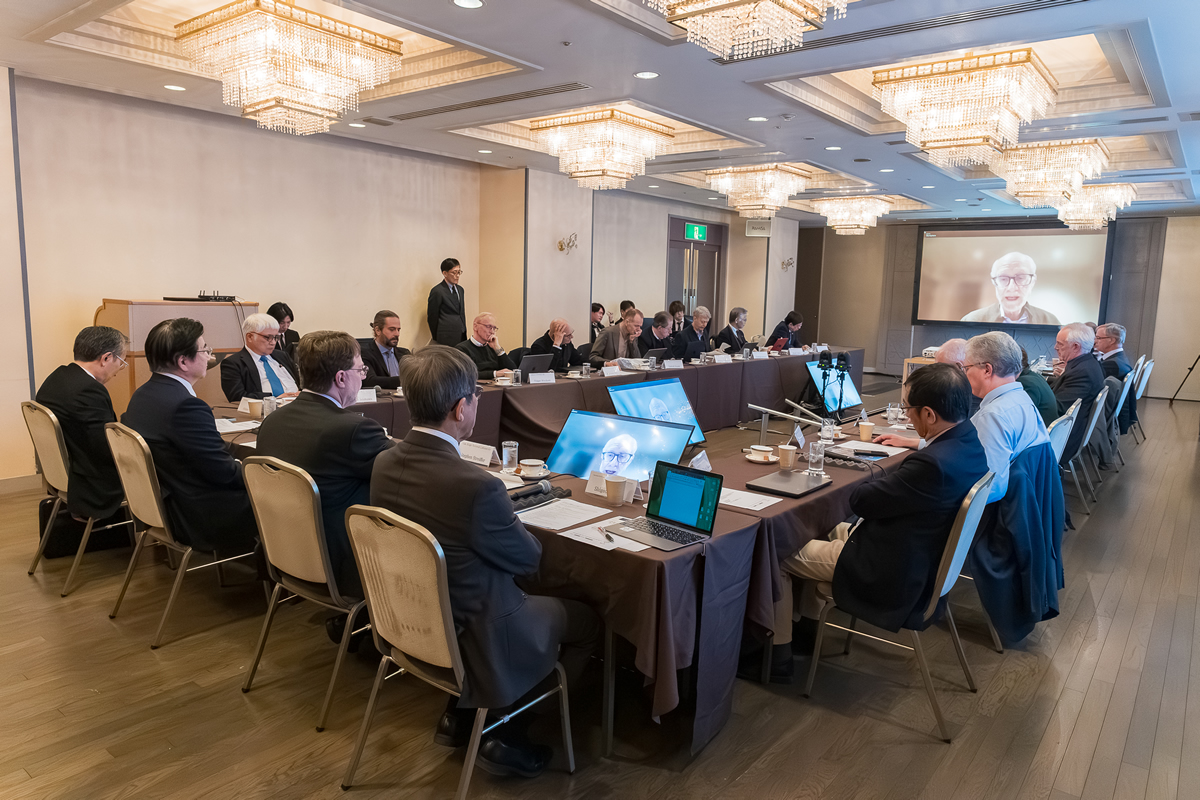
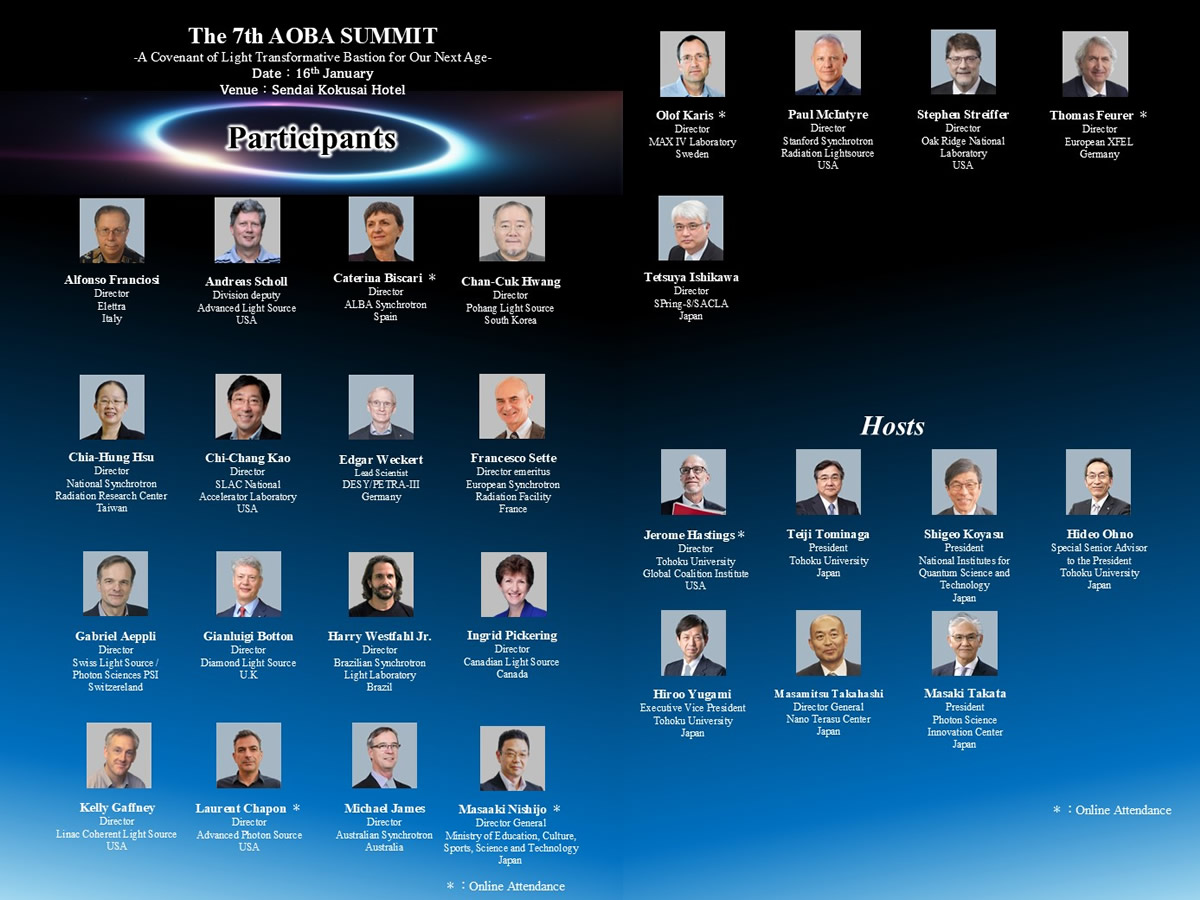
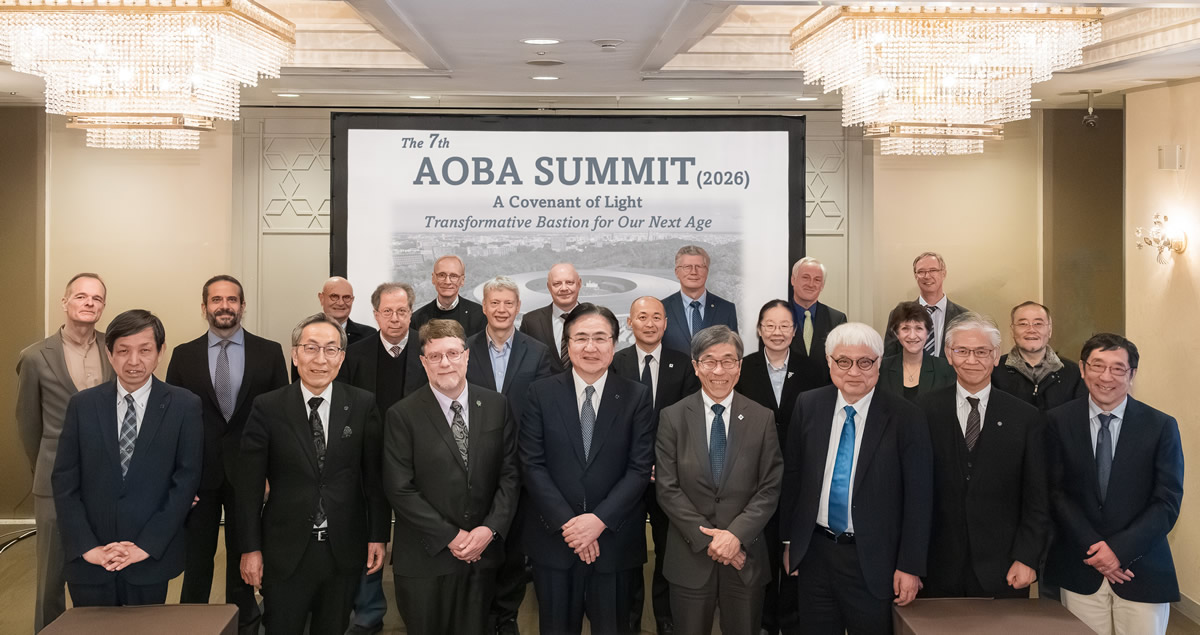
On January 16, 2026, the "7th AOBA SUMMIT," an international conference bringing together leaders including directors of the world's major synchrotron radiation facilities, was held at the Sendai Kokusai Hotel, co-hosted by Tohoku University and the National Institutes for Quantum Science and Technology (QST).
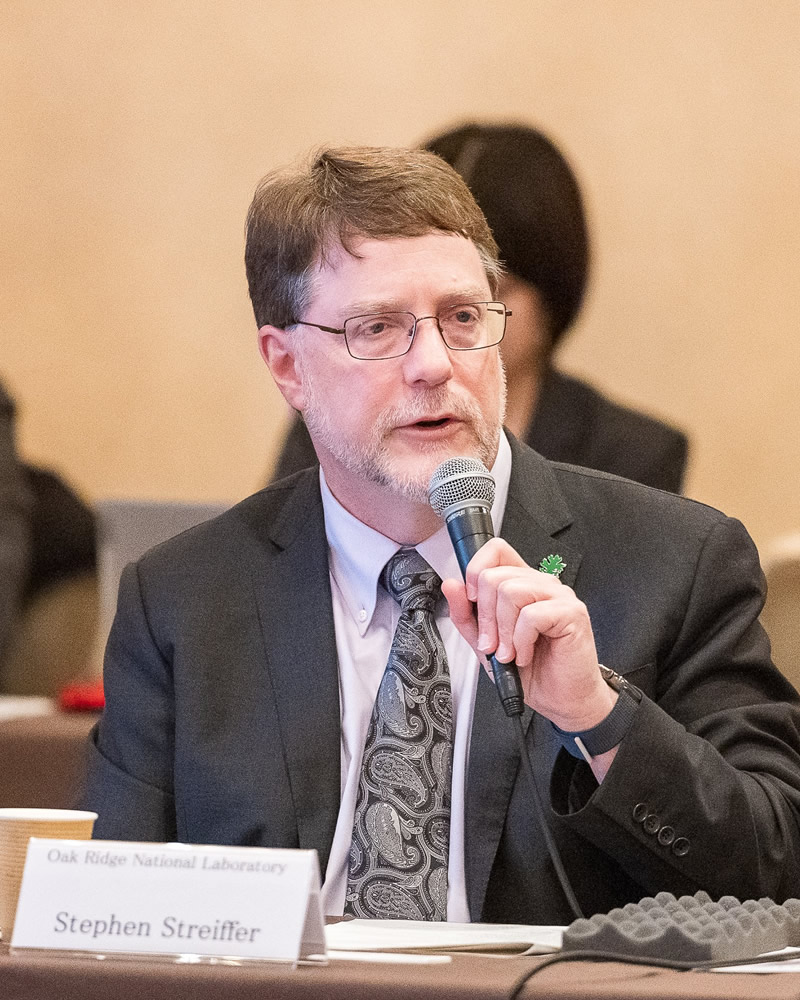
Since its first iteration in 2019, this summit has established itself as a venue for the global synchrotron radiation science community to share the challenges they face and their vision for the future. The 7th summit, chaired by Dr. Stephen Streiffer, Director of Oak Ridge National Laboratory, was held under the theme "A Covenant of Light: Transformative Bastion for Our Next Age." Discussions focused on how synchrotron radiation facilities can serve as "bastions of science" to lead transformation in response to global challenges such as climate change and energy issues.
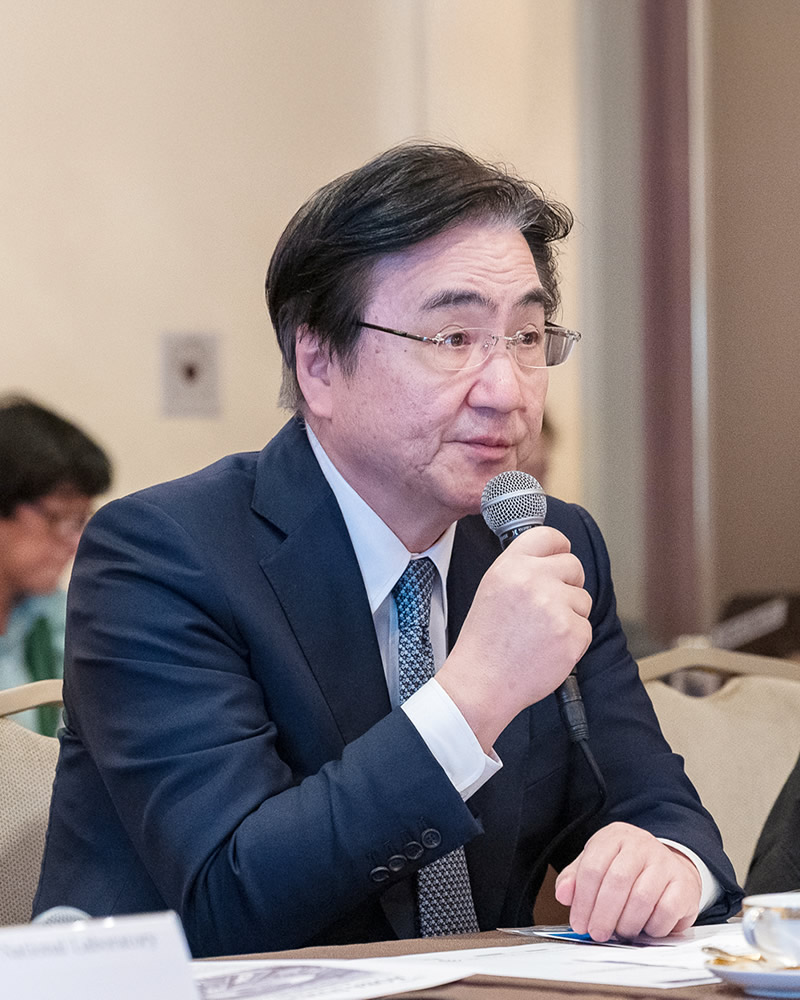
In the Opening Session, Teiji Tominaga, President of Tohoku University, delivered the opening remarks on behalf of the organizers. President Tominaga reported that the 3GeV high-brilliance synchrotron radiation facility "NanoTerasu," which began operation in April 2024, is operating smoothly under a public-private regional partnership. He then proposed the summit's core question: a shift "from simply Producing Data to creating High-Value Intelligence." He appealed for the importance of integrating AI and simulation, as well as international "Brain Circulation."
Subsequently, Mr. Masaaki Nishijo, Director-General of the Science and Technology Policy Bureau at the Ministry of Education, Culture, Sports, Science and Technology (MEXT), delivered guest remarks (online). Mr. Nishijo highly evaluated the current status of NanoTerasu, noting that it has already begun to produce results in industrial use. He also emphasized the strategic importance of synchrotron radiation facilities in Japan's science and technology policy, mentioning investments in the SPring-8 upgrade plan (SPring-8-II) and contributions to Green Transformation (GX).
In the First Session, reports were given on the current status and future plans of NanoTerasu and SPring-8. First, Mr. Masamitsu Takahashi of the QST NanoTerasu Center reported that NanoTerasu has achieved an extremely high stability with an operation rate of 99.6%. He explained that initial challenges were overcome by introducing unique control technologies, and that user operation at the rated storage current of 400 mA began in November 2025, dramatically improving experimental efficiency. The successful practical application of a new type of light source device (undulator), which enables advanced light control, was also introduced. Next, Dr. Tetsuya Ishikawa, Director of the RIKEN SPring-8 Center, presented the model for the "SPring-8-II" upgrade plan, which aims to achieve both performance enhancement and energy savings ("Green Transformation"). It was shown that the plan aims to significantly reduce power consumption compared to current levels through the introduction of new technologies. In addition to the dramatic improvement in facility performance, the operational policy of introducing new access quotas based on national strategies was also explained.
In the Second Session, advanced examples from various countries were shared regarding how facilities collaborate with universities, industry, and regions to generate innovation. Physical "Proximity" and institutional "Permeability" were discussed as keys to success. From the Asian region, Dr. Chia-Hung Hsu of Taiwan's NSRRC introduced long-term collaborations with the semiconductor industry and a human resource development model using a cross-appointment system with universities. Executive Vice President Masaki Takata of Tohoku University explained the "Under One Roof" concept at NanoTerasu, introducing the current status where measurement data is instantly integrated with simulations by supercomputers, shifting the value provided from "measurement" to "solution." From Europe and the US, the transformation driven by data and AI was emphasized. Dr. Francesco Sette of ESRF (Europe) reported on innovative advances in human organ visualization using state-of-the-art light sources and strategies for large-scale data disclosure. Dr. Laurent Chapon of APS (USA) spoke about the construction of AI models proceeding under a national project and the realization of real-time analysis through integration with supercomputers. Dr. Gabriel Aeppli of PSI (Switzerland) introduced an ecosystem where infrastructure is shared with deep-tech companies in an innovation park adjacent to the facility, nurturing startups in quantum technology and the space industry.
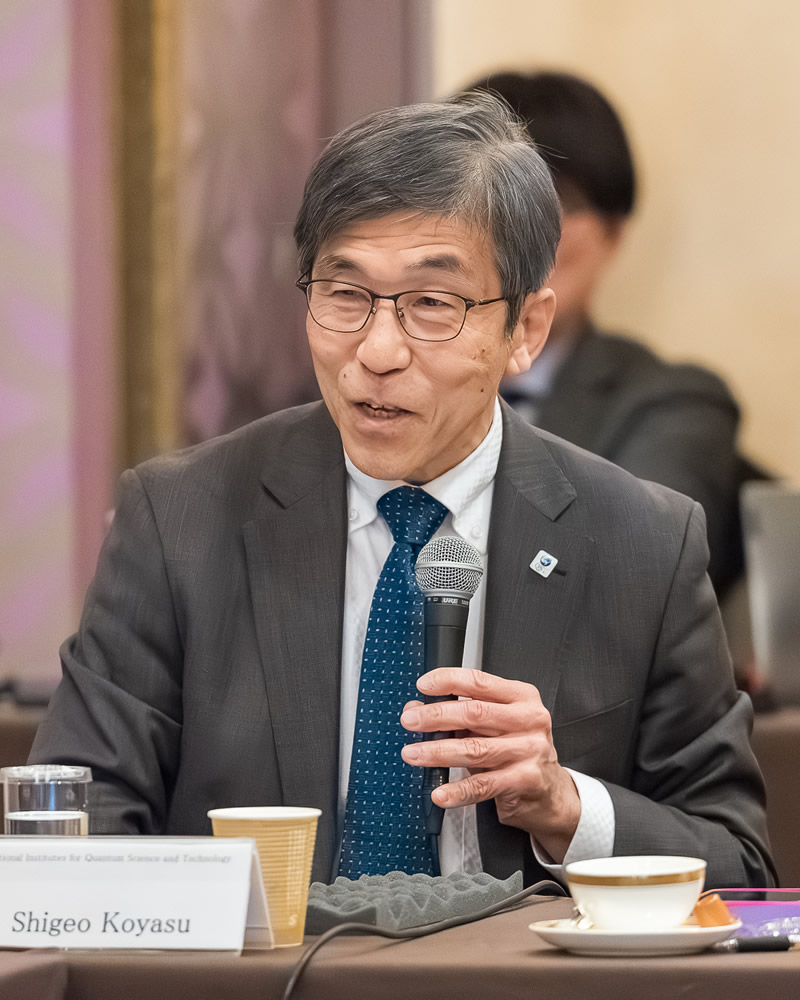
In the Closing Session, President Shigeo Koyasu of QST delivered remarks. President Koyasu spoke on the importance of data management and utilization, as well as the necessity of collaboration between facilities, reaffirming that synchrotron radiation facilities are not isolated research institutions but "Transformative Bastions" that connect data, AI, and people to confront societal challenges.
Based on the "Covenant of Light" confirmed at this summit, the Organization for NanoTerasu Co-Creation Promotion at Tohoku University will further strengthen the international co-creation network centered on NanoTerasu and strive toward the creation of next-generation innovation.